
Thermal and Building Inspections
Thermal and visual building inspections that help identify likely moisture, insulation anomalies, heat loss, and building envelope defects. Evidence is organised into a clear report with findings, priorities, and recommended actions.
- Thermal inspection
- Roof and envelope focus
- Decision-ready reporting
- UK wide delivery
What this inspection helps identify
Roofs
- Moisture patterns linked to trapped water under membranes
- Insulation anomalies and heat loss
- Likely failure points around penetrations, seams, and terminations
- Areas to prioritise for further verification or repair planning
Building envelope
- Thermal bridging at junctions and structural elements
- Air leakage indicators around openings and interfaces
- Moisture ingress indicators on walls and façades
- Evidence packs that support maintenance decisions
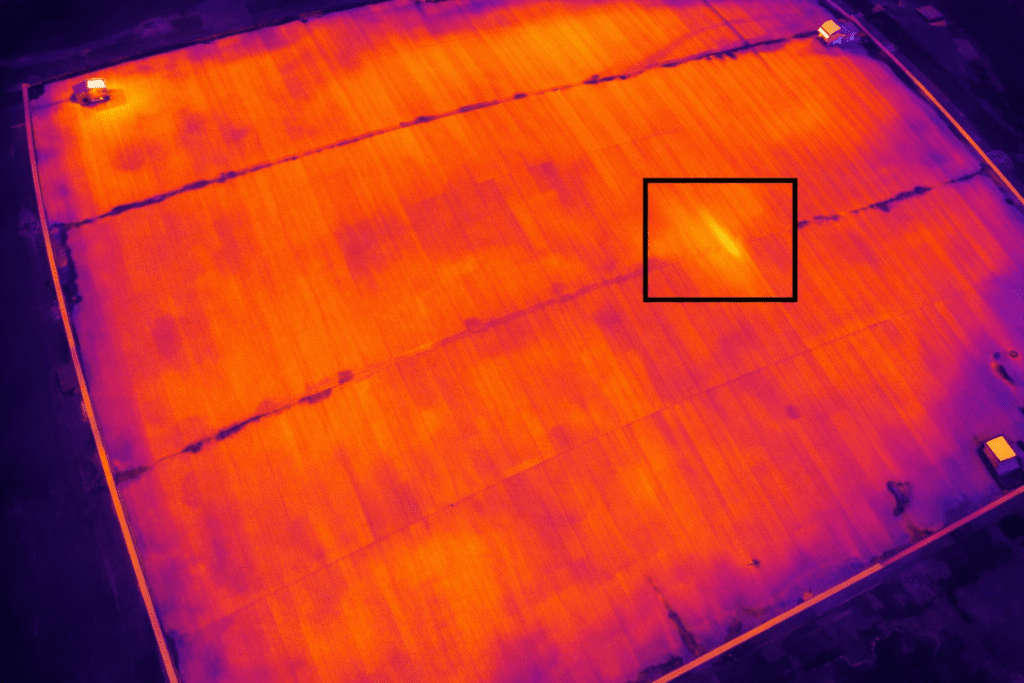
What you receive
- Evidence images with clear context and annotations
- Findings written in plain English with practical recommendations
- Priority level guidance to support planning and contractor briefs
- Structured delivery suitable for audit trails and internal reporting
FAQs
Is a thermal inspection the same as finding a leak?
Thermal inspection highlights temperature patterns that can indicate likely moisture and insulation issues. Where appropriate, we recommend verification steps so decisions are based on evidence, not assumptions.
Do you inspect commercial roofs?
Yes. Commercial roof inspections are a common request, particularly where access is difficult or scaffolding would be disruptive.
What do you need to quote?
Site address, building type, approximate roof area, access constraints, and what you need the output to support. We confirm scope and deliverables before attending.
Can you support repeat inspections over time?
Yes. Repeat inspections are often the most valuable approach because changes and deterioration trends become easier to prioritise.